The Politics of Ugliness: Anti-Beauty and the New Avant-Garde
When perfection becomes propaganda, ugliness becomes resistance. Across the avant-garde, designers are weaponising distortion, decay, and discomfort to fracture the polished surface of contemporary fashion. Transforming the grotesque into a radical language of defiance.
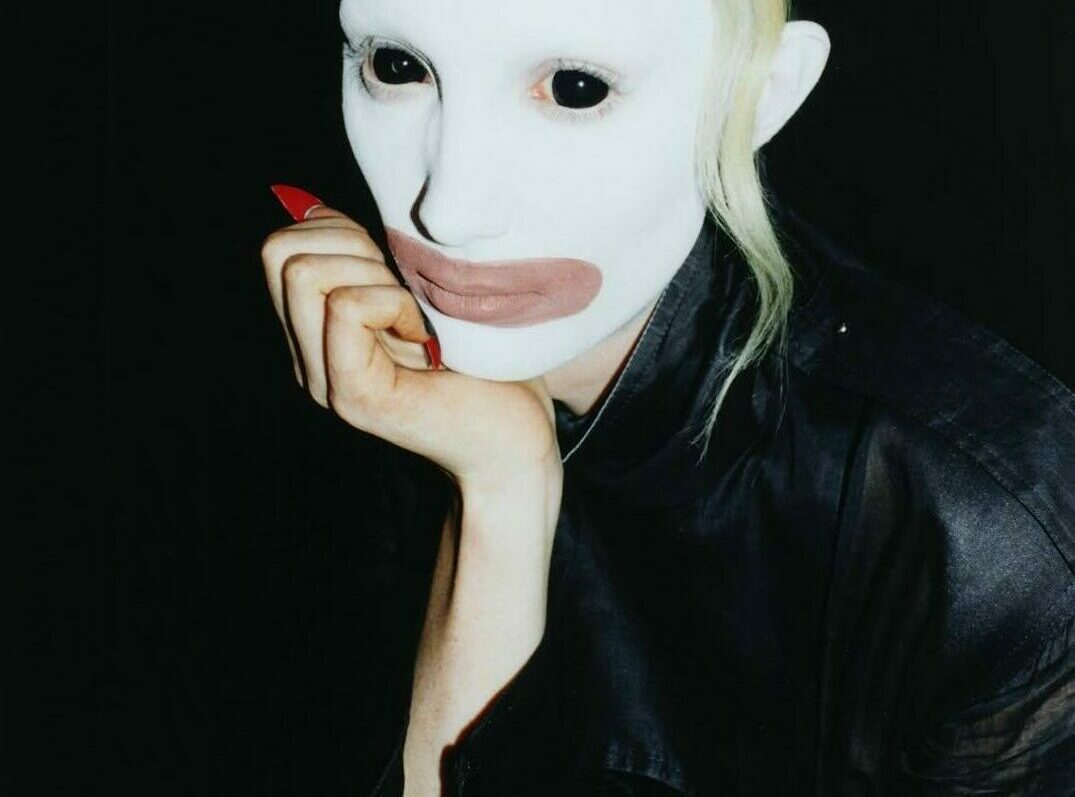
In the age of filters, algorithms, and hyper-curated feeds, fashion’s obsession with perfection has reached a critical mass. But on the fringes, where avant-garde fashion thrives, designers are turning their backs on traditional beauty. They are embracing distortion, discomfort, and grotesquery not as gimmicks but as tools of resistance. Ugliness is no longer an accident. It is intentional. It is political.
The anti-beauty movement in fashion does not simply reject aesthetic norms. Instead, it asks why those norms exist at all. Why must garments flatter? Why must the body be idealized? Why must beauty be marketable? These questions sit at the heart of a radical shift, where the grotesque becomes the new sublime. Ugliness, in this sense, is not a lack of taste or refinement. It is an act of rebellion against the sanitized sameness of mass fashion.
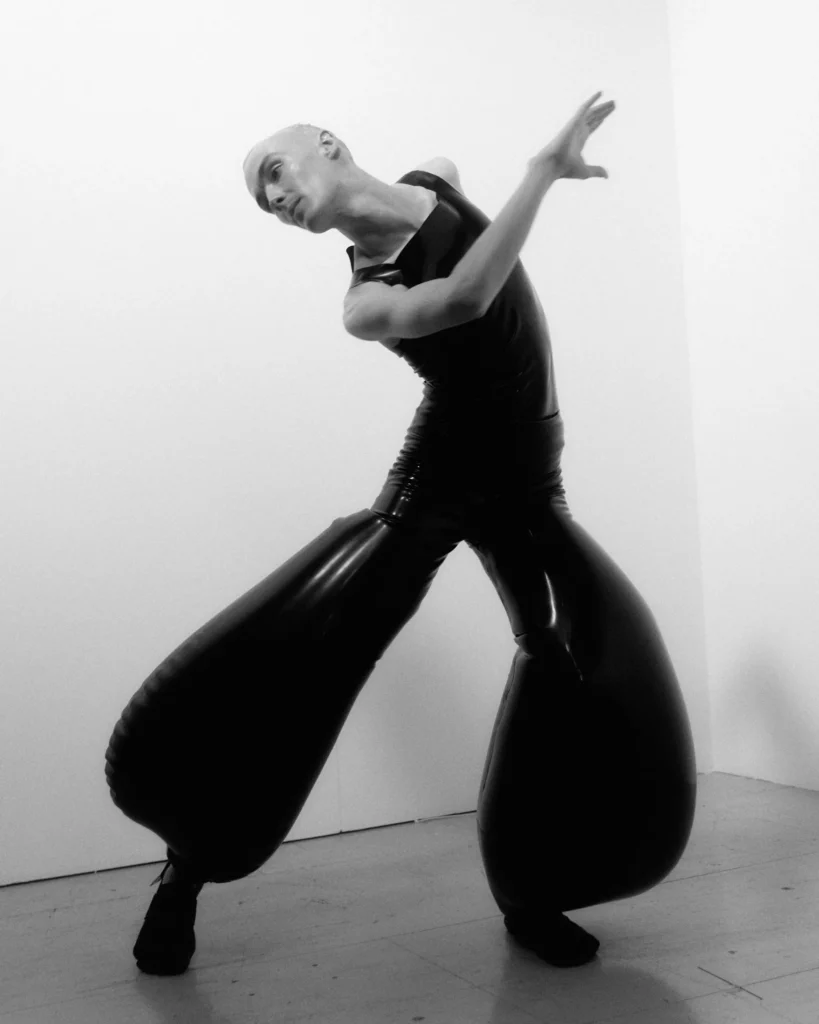
Harikrishnan Keezhathil, LFW 2023
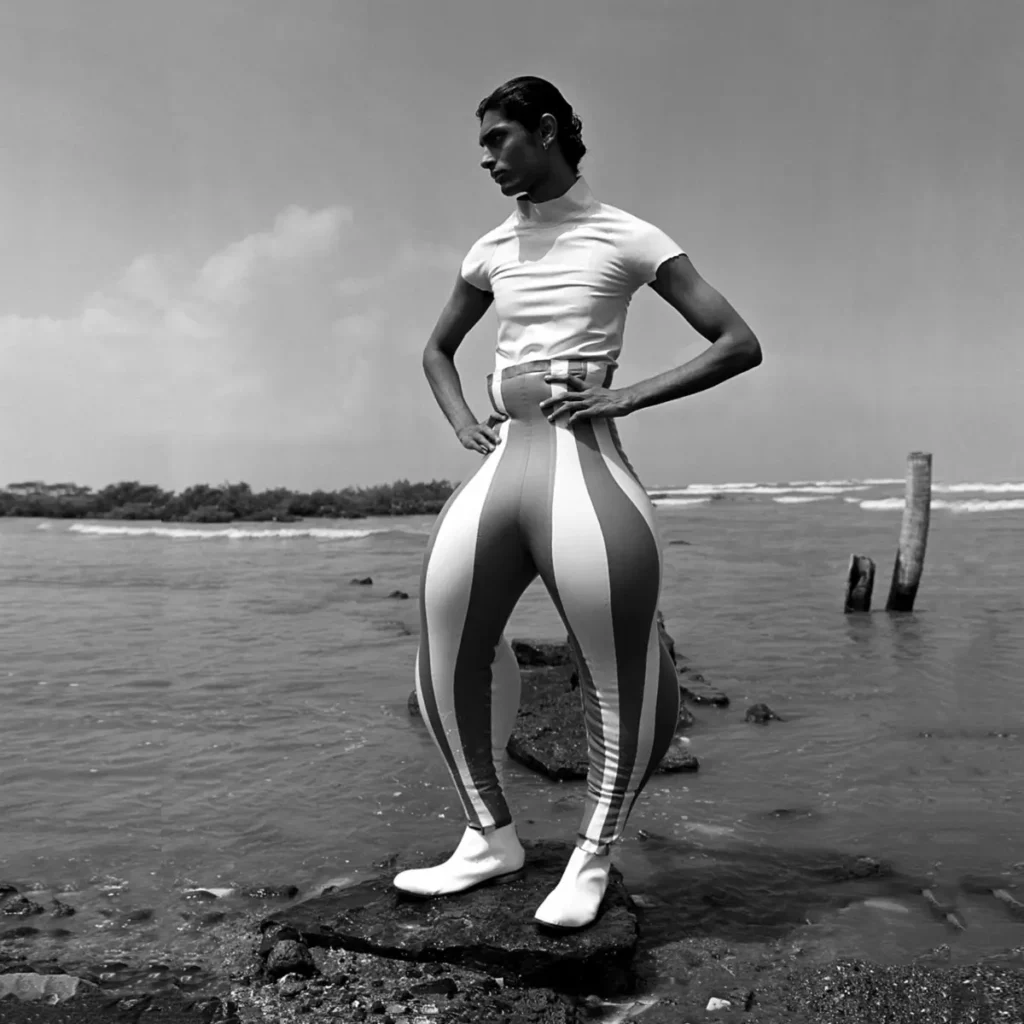
Harikrishnan Keezhathil, LFW 2023
London-based designer Harri creates inflatable latex garments that distort and exaggerate the male body in bizarre and bulbous ways. His designs, like the now-iconic inflated trousers worn by Sam Smith, push the silhouette into absurdity. Rather than smoothing or flattering the body, Harri’s work renders it strange, almost inhuman. It becomes a spectacle, a mutation, a challenge. These garments question the very premise of what fashion is supposed to do.
Social media, particularly Instagram, plays a paradoxical role in this. While it has given visibility to niche aesthetics, it also tends to flatten radical gestures into digestible content. Algorithms reward the familiar and the photogenic, often co-opting subversive imagery into trends. In this environment, even grotesque fashion risks being aestheticized, its strangeness curated into clickable novelty. The grotesque is no longer hidden or taboo; it is algorithmically amplified, which both extends and neutralises its power.
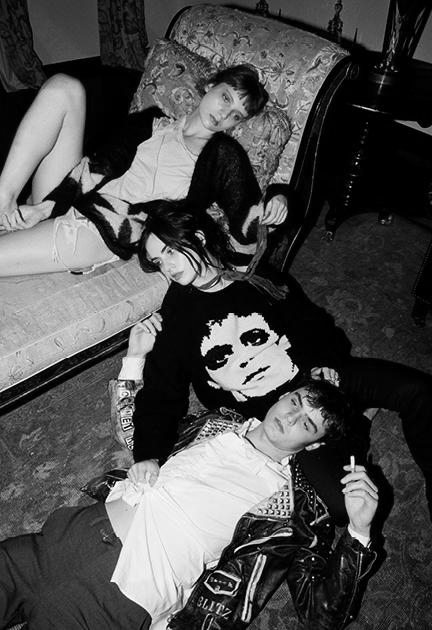
Enfants Riches Deprimes, FW16
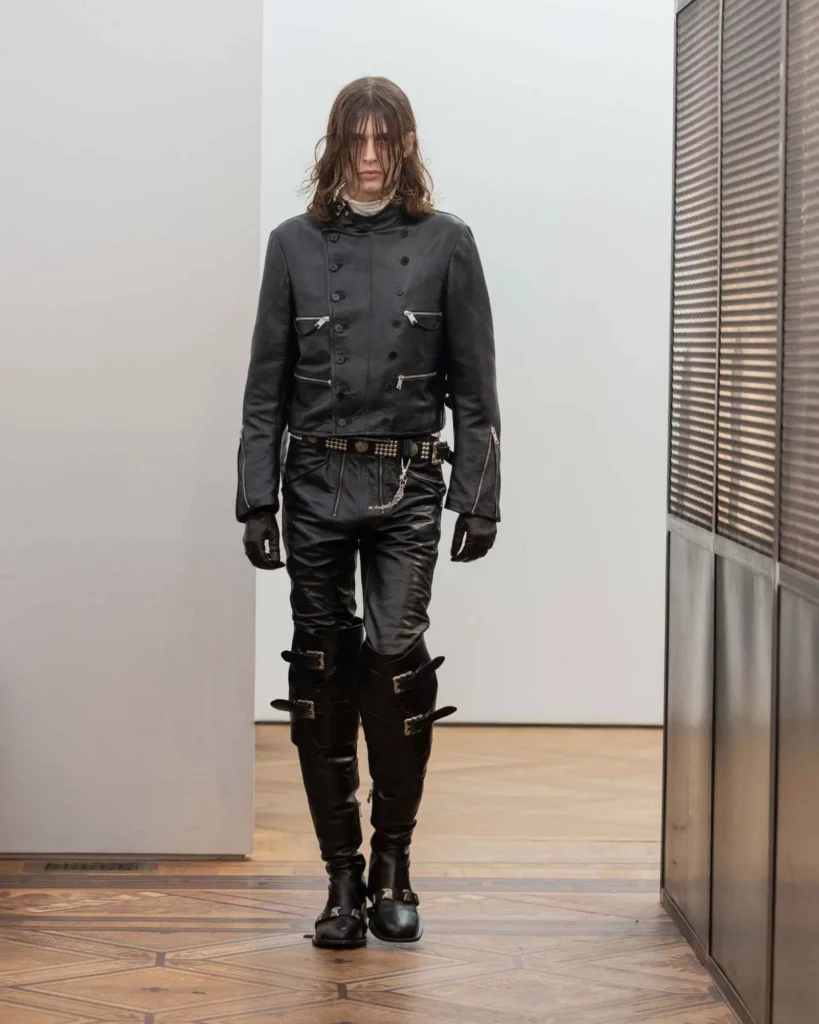
Enfants Riches Deprimes, SS25
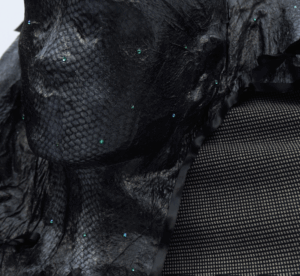
Enfants Riches Déprimés, the cult Paris-LA label founded by Henri Alexander Levy, takes a more nihilistic approach. Combining distressed tailoring, torn silks, and references to punk iconography and existential dread, ERD treats fashion as a medium of emotional dissonance. Their aesthetic is one of deliberate decay, beauty made toxic, garments that mourn their own existence. In their world, fashion is not about glamour; it is about angst, decay, and defiance.
These designers, among others, are part of a broader rejection of the polished and palatable. In doing so, they tap into a lineage that includes Rei Kawakubo’s body-distorting collections for Comme des Garçons and Martin Margiela’s deconstructed anonymity. But today’s anti-beauty aesthetic carries new weight in the digital age, where fashion has become increasingly homogenized and hyper-visible. Social media flattens difference, rewards repetition, and punishes risk. Ugliness, in this context, becomes a form of cultural sabotage.
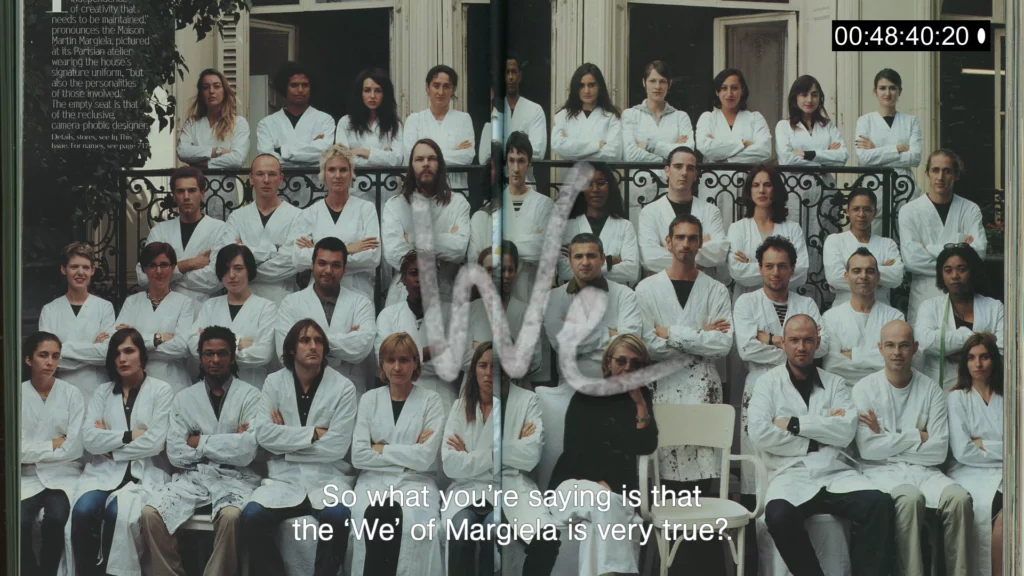
Margiela team, 2001
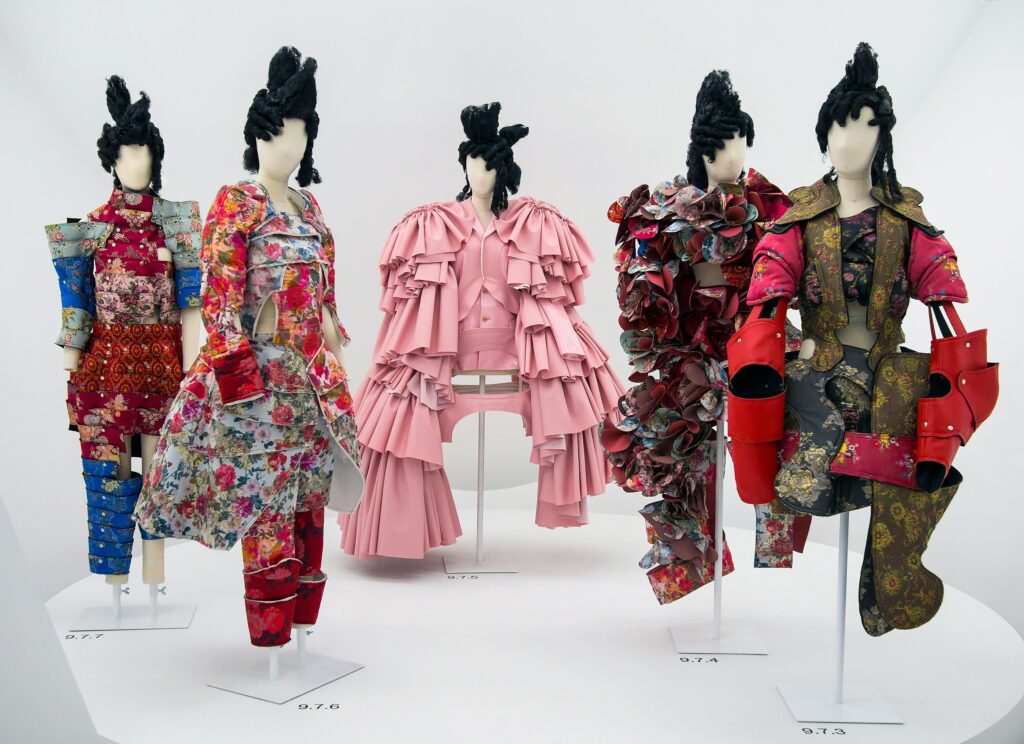
Comme des Garcons at the Met (2017)
It breaks the loop of Instagram-friendly fashion and refuses to participate in the performance of desire. It replaces seduction with alienation, elegance with chaos. It speaks not in harmony but in dissonance. Yet even as it rebels, it walks a tightrope: can ugliness remain radical once it becomes aestheticized? Can the grotesque maintain its edge once it is commodified?
The danger, of course, is appropriation by the very system it seeks to critique. Just as punk was absorbed into the mainstream, so too can anti-beauty become another aesthetic to be packaged and sold. But in its most sincere expressions, anti-beauty still holds power. It creates space for bodies and narratives that defy categorization. It asks fashion to be more than marketable. It asks it to be meaningful, to carry tension and contradiction.
By making us uncomfortable, these garments force us to look again. And in that second glance, we find possibility. Beauty, after all, is a moving target. And in the hands of the avant-garde, it is ripe for redefinition. As fashion continues to evolve, ugliness may just be its most honest language yet.
Credits
Written by Daria Slikker @daria.18