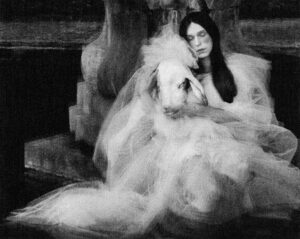
Its Not Just Jewellery. It’s Mia Gosset.
Mia Gosset continually rethinks what jewellery and objects can be. Here, she shares her process, inspirations, and the vision behind her practice, uncovering what truly makes Mia Gosset, Mia Gosset.
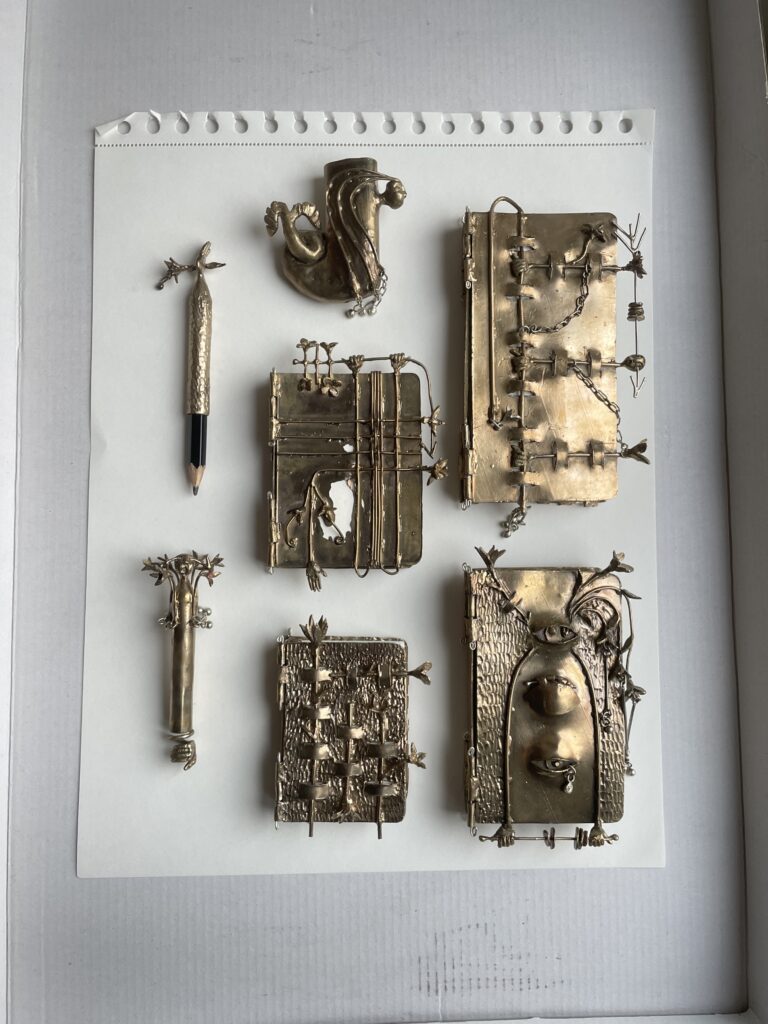
Notebooks by MIA GOSSET
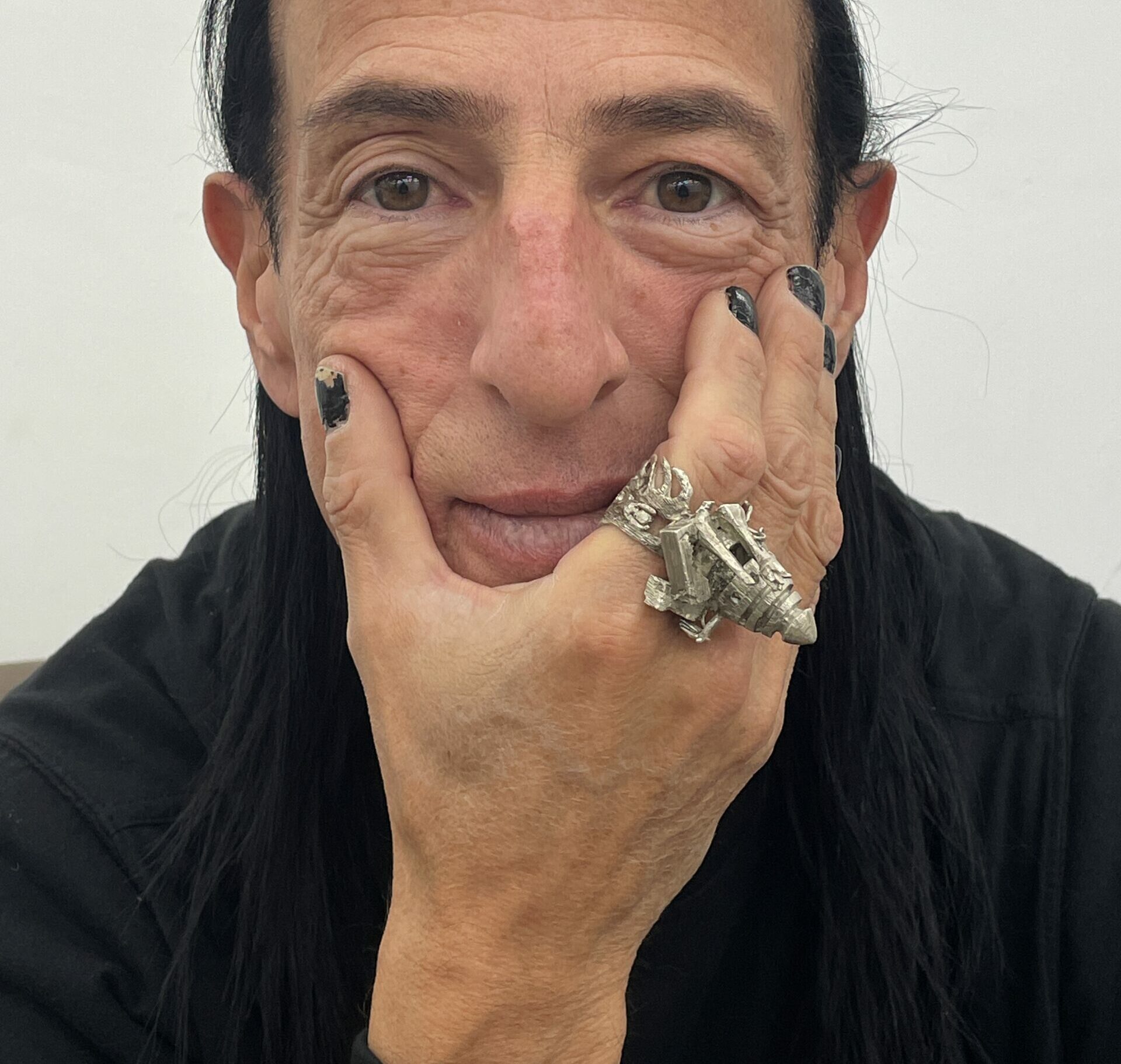
If you haven’t already seen the post from last November of Rick Owens wearing a custom-designed sculptural ring made to carry his mints, or caught Lady Gaga’s Hot Ones interview in February this year where she wore a striking silver arm cuff, don’t worry. You’re about to meet the brain behind these sculptural pieces: Mia Gosset.
Introducing Mia Gosset, her works go far beyond moments of celebrity recognition. She’s not just a jewellery maker, she’s a multidisciplinary artist whose practice resists labels. Whether through wearable objects or experimental forms, her work is a study in tension, movement, and meaning.
Recently, we spoke with Mia about her creative process, inspirations, the quiet triumphs and challenges, and the introspection that shapes her work. For Mia, jewellery is less about its function as adornment and more about meaning, memory, and the tactile language of materials.
What was the first piece you ever made for your brand, and what inspired it?
The first piece I ever made was a ring with two conjoined lambs, cast in solid silver. It was for Marius, my boyfriend at the time, who introduced me to metalwork. It felt important to give something back and for my first piece to belong to him. His initials are engraved inside, like a quiet dedication.
In another interview, there’s something cinematic about that image where you described the early days of your experimentation with metals. That moment in the kitchen melting down tin carafes, watching them become the characters you had sculpted. What was it about that setting, or that process, that made it feel so magical for you?
At the time, I knew nothing. I was discovering everything, and it felt magical. What struck me most was the transformation. Starting from a soft, malleable material like wax, and ending with a lasting metal object. There was technique, of course, but above all there was wonder. After baking the mold and pouring the metal, we would dissolve the plaster in water with our hands, revealing the sculpture beneath, like uncovering a relic. It appeared raw, dusty, imperfect, but full of presence. I think what moved me most was the act of making an object. An object that remains, that gets passed down, something that stays. Like the ones I’d always collected. That day, I think I truly found my path. I met myself.
Can you tell me more about those early kitchen sessions? What did those DIY beginnings teach you that still informs your practice today?
Those early “kitchen” sessions taught me the entire process of casting, which later became the foundation of my practice. They also made me realize that I was stepping into something complex. A material that is unpredictable, and a method that demands constant adaptation. I understood I would have to find my own way, my own solutions. In jewellery, everything is about tricks, and everyone has their own.
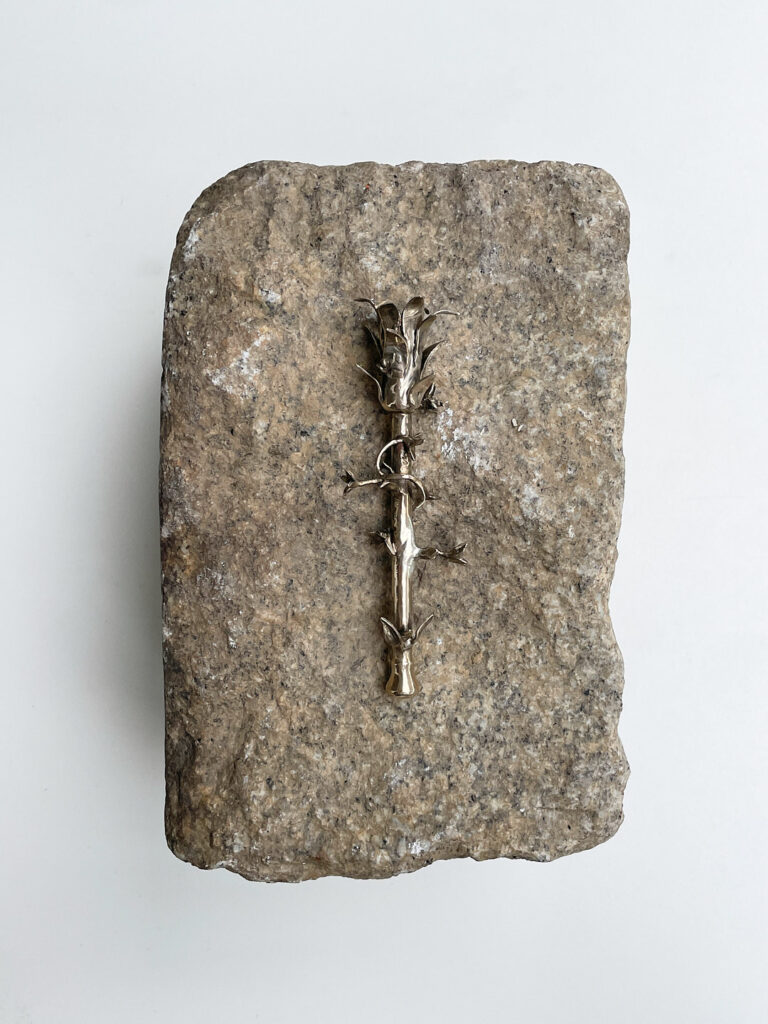
Bronze and silver Cigarette Holder by MIA GOSSET
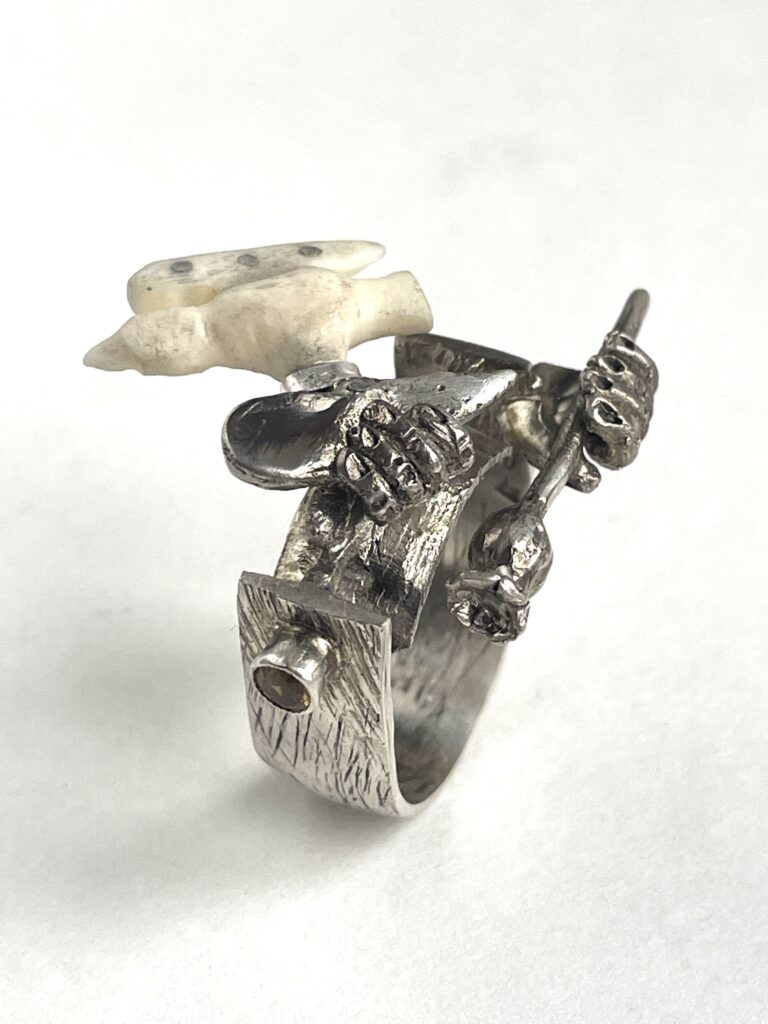
Silver, Bone and first citrine by MIA GOSSET
What was it about wax specifically that spoke to you so deeply?
Wax is a sculptural medium full of possibilities. It allows me to create both the smallest and the most ambitious forms. It is an organic material, sensitive to temperature and touch. Some waxes are hard and carved into, others are soft and shaped by the heat of your hands. Each type plays a role in my process. Wax has memory. It records every mark, every scratch, even fingerprints. Even once it becomes metal, it carries traces of the tools and of the hand.
How do you sustain that momentum and curiosity over time?
My curiosity is still very alive, probably because it’s been only two years and I didn’t come from a traditional background. I’ve had to build everything from scratch. I’m still learning all the time. When you don’t know what’s supposed to be difficult or impossible, you just try and find a way. That’s how I work: I go step by step, solving each part of the process until the idea becomes real.
I work without rigid frameworks or rules, and there’s a lot of dissatisfaction, a desire to improve and grow technically. I’m currently training in stone setting and apprenticing with an art bronze-maker, where I’m learning to shape mounts, turn bronze, and work on larger pieces. It’s hard, but it’s incredibly enriching. That’s how I keep the spark alive, by learning new techniques that open new doors and bring new ideas to life. I wasn’t able to attend school between the ages of 12 and 16 because of illness. After that, learning became something sacred. Today, it’s through craft and making that I grow.
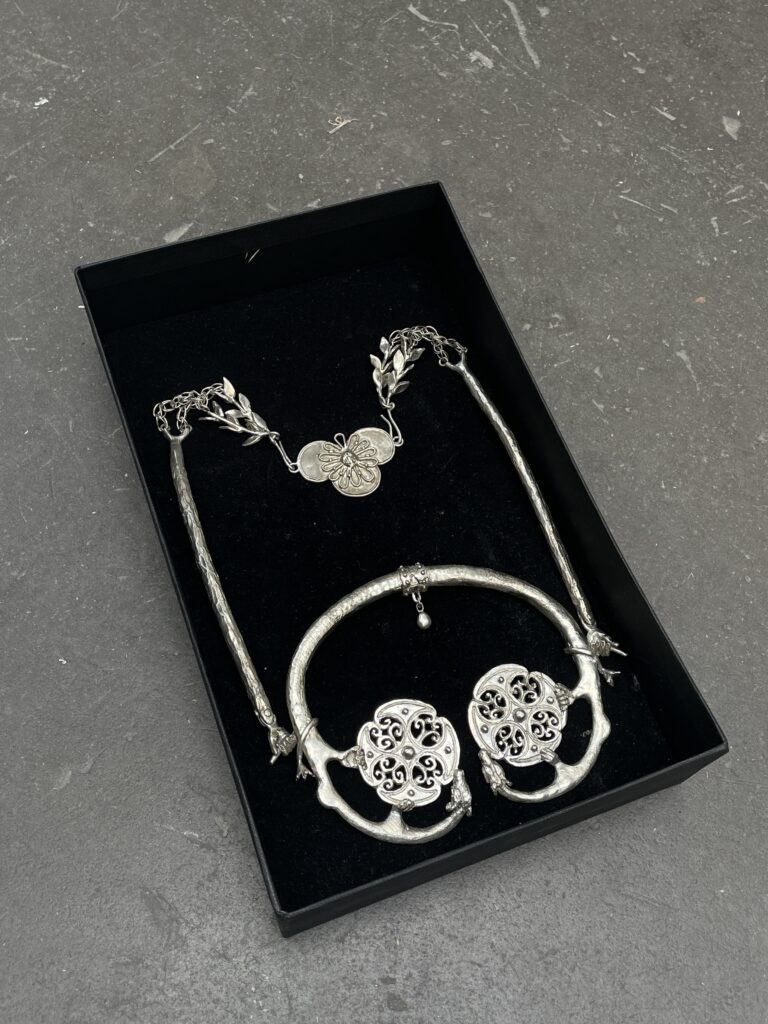
Commissioned massive silver necklace with articulated hands by MIA GOSSET
What usually sparks a new piece for you? Is it a feeling, a material, a story, or something else entirely?
A new piece can emerge from so many things: a commission, a reference, a manuscript, a bas-relief, a material I want to explore. Often, it comes from the desire to reinterpret a familiar object and express my own vision through it.
When you’re trying something new, how do you know if it’s working? Is it a gut feeling, or something more technical?
When you learn on your own, you rely a lot on instinct. You have to ask yourself the right questions and, above all, be willing to try. Over time, your technique sharpens and the answers come more naturally.
How do you usually respond when something doesn’t go as planned? Do you lean into the mistake, start over, or shift direction?
I always try to correct mistakes the best I can, even if the result ends up different from the original idea. Casting is unpredictable. Sometimes pieces come out with holes or imperfections. You have to react, repair, add detail, and accept that margin of error. Often, there isn’t time to start over. Mistakes and surprises are part of the process. They teach me about the material. In the end, they’re essential keys to understanding.
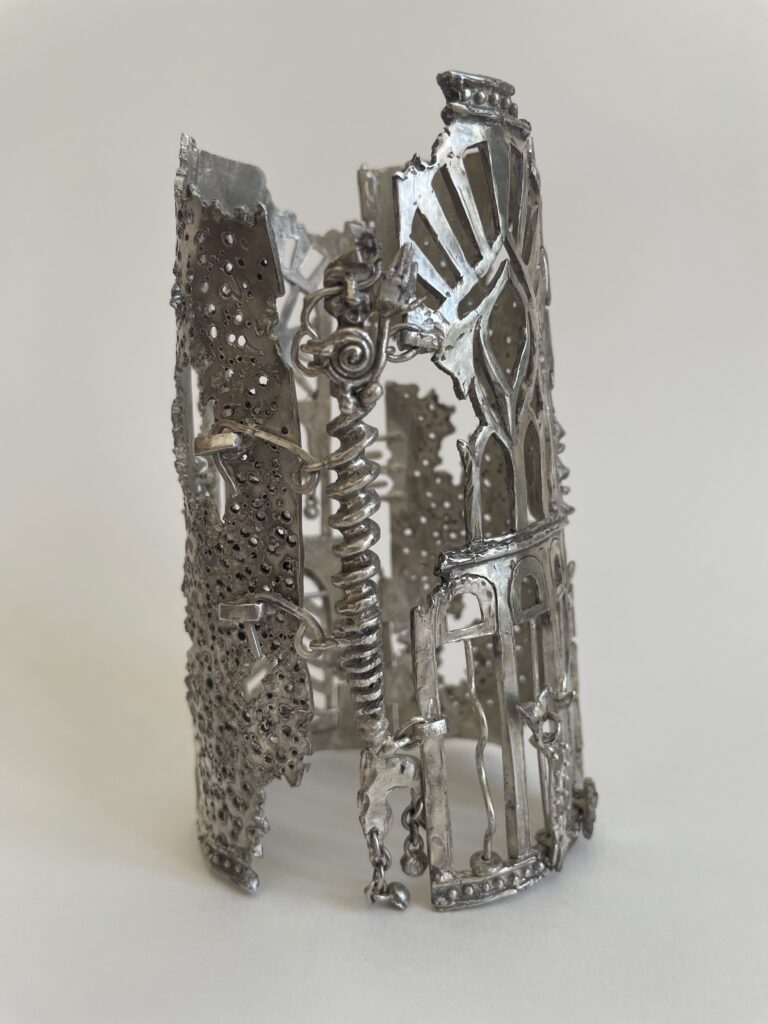
Solid silver cathedral arm cuff with moving parts by MIA GOSSET
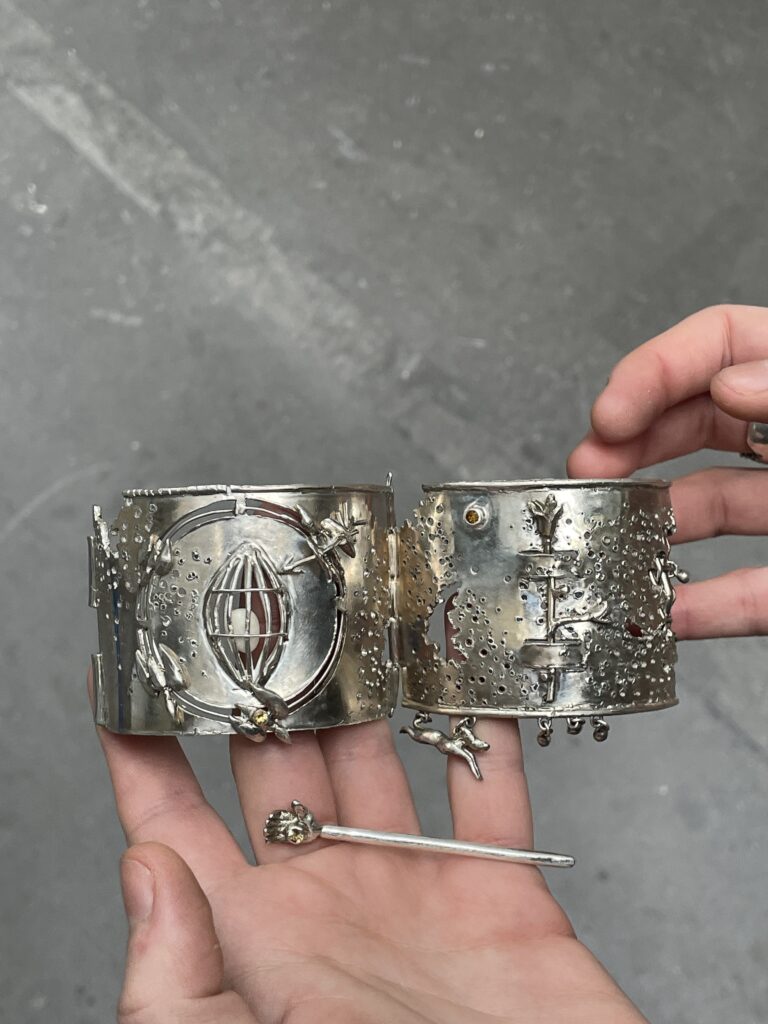
Silver cuff with four flying birds circling around a bone-sculpted egg by MIA GOSSET
There’s a sense of play, romance, and even interactivity in some of your pieces. They remind me of tactile objects from childhood, like playbooks or bead mazes. Do those sensory memories shape your design process, or do they come from somewhere else entirely?
The moving parts in my pieces are inspired by many objects, like the sistrum, a sacred percussion instrument from ancient Egypt, or Japanese abacuses with sliding beads. But I think my attraction to these interactive mechanisms comes from childhood.
I loved miniatures. We had a rug in one room where I was allowed to build a little world with all my collected pieces. I loved objects that opened, rolled, and clicked. Things that came alive when touched. That’s still what I’m looking for in my work: for something to happen when the object is handled. That movement tells part of the story.
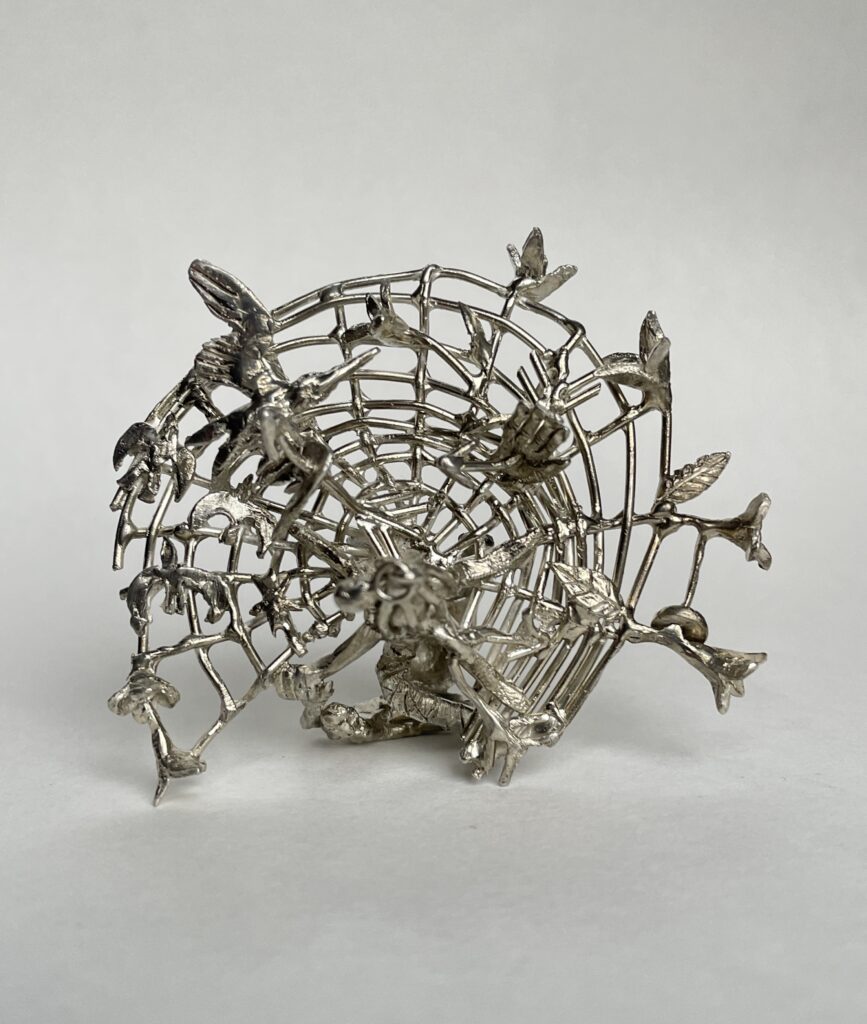
Solid Silver Ring by MIA GOSSET
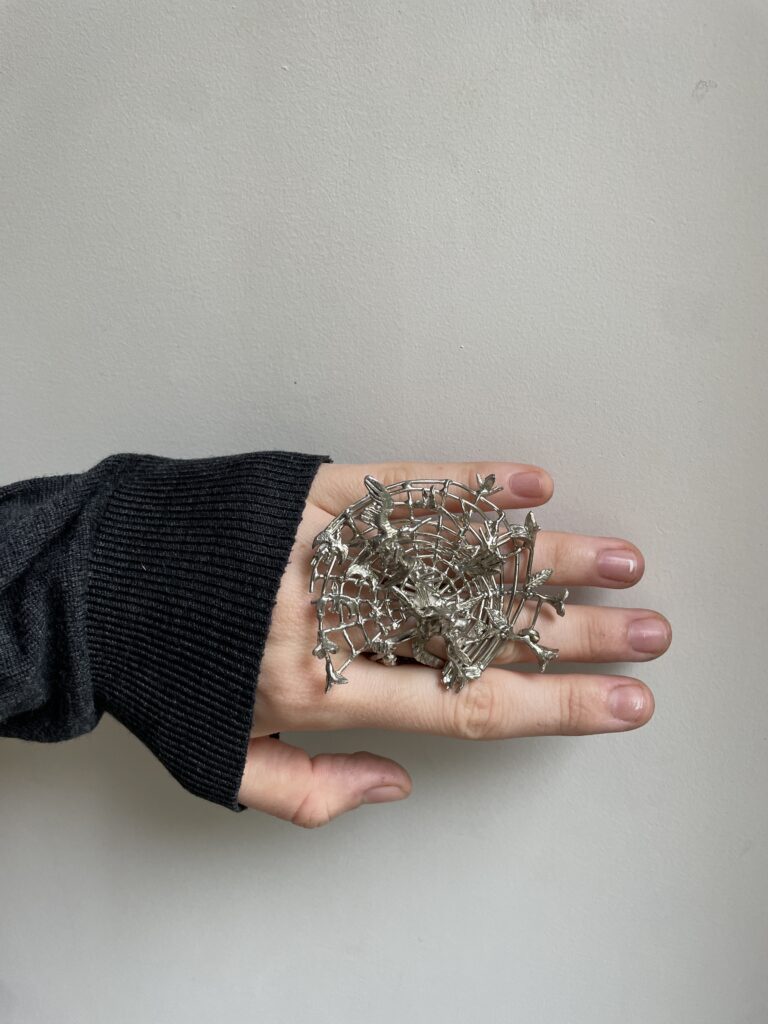
Solid Silver Ring by MIA GOSSET
You’ve mentioned that your pieces can be heavy, noisy, and not always practical. They’re also sculptural in nature and often demanding to wear. How do you approach the body in your design process? Is it a base, a limitation, or part of the experience itself?
Sometimes I wonder if I don’t fully consider the body in my pieces. After two years of creating, I’m starting to realize I often approach jewellery as objects. Perhaps because that’s the culture I come from as a collector. The body doesn’t limit me, but it does provide a framework I enjoy playing with. I’m not trying to reject the body. Rather, I’m trying to break away from the fixed idea of what jewellery is supposed to be: how it should look, how it should be worn. I love the idea that a piece left on a shelf might not even be recognized as jewellery. That it could stand alone, as an object. That’s a kind of freedom that matters to me.
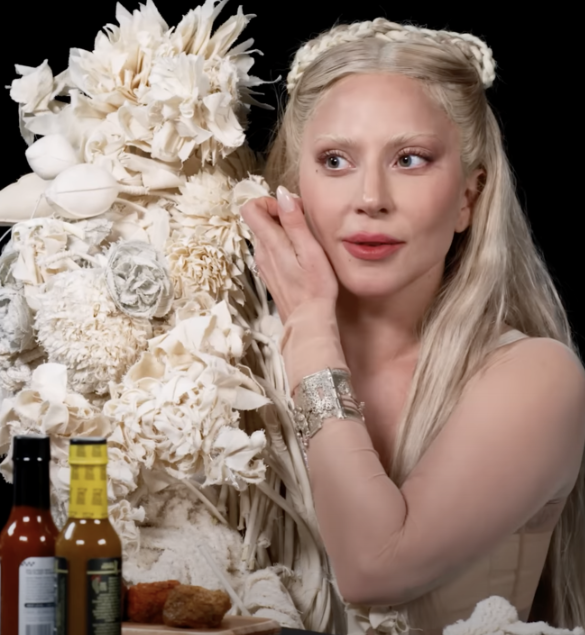
Lady Gaga in silver arm cuff for the show Hot Ones
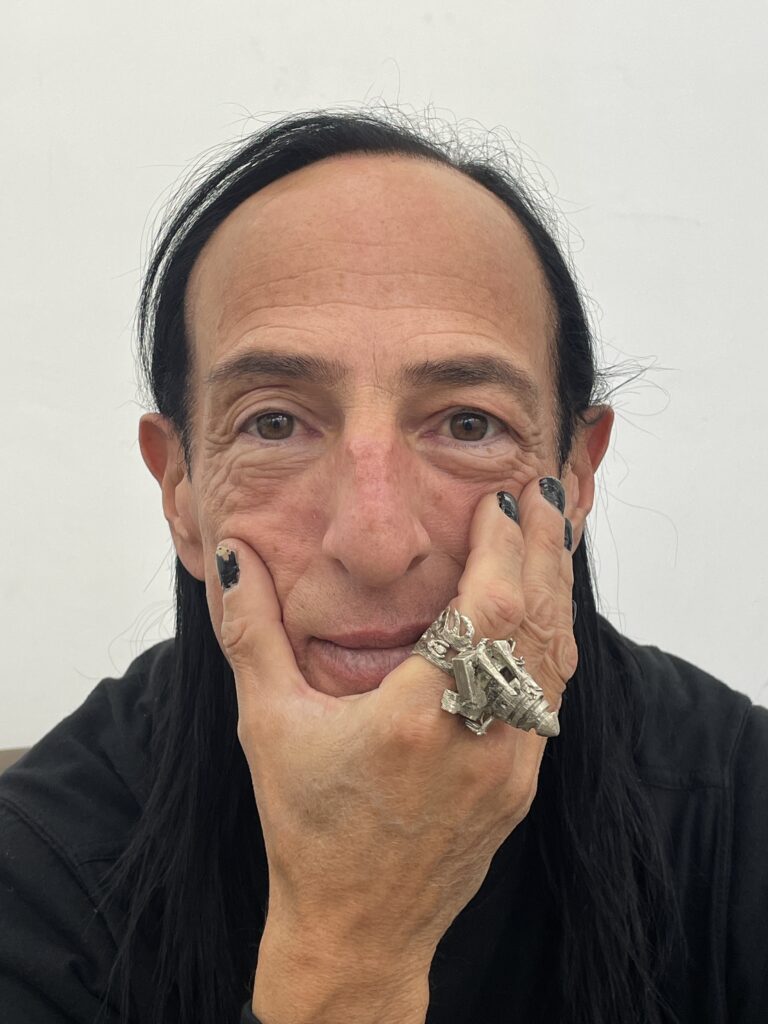
Rick Owens in custom ring by MIA GOSSET
Did seeing your work on Rick Owens and Lady Gaga make you see it in a new light, or think differently about how your jewellery moves through the world?
It’s incredibly moving to see my jewellery worn by certain people — just as it is to see someone save up for a piece. When I was ten, I used to watch music videos over and over, and I remember seeing Lady Gaga on screen all the time. So yes, it means something.
I work alone most of the time, so moments like that stretch the walls of my world a little wider. They let in some light. But the day-to-day quickly returns. There’s so much to do in this work, I don’t dwell on it. It just makes me want to keep creating and do better.
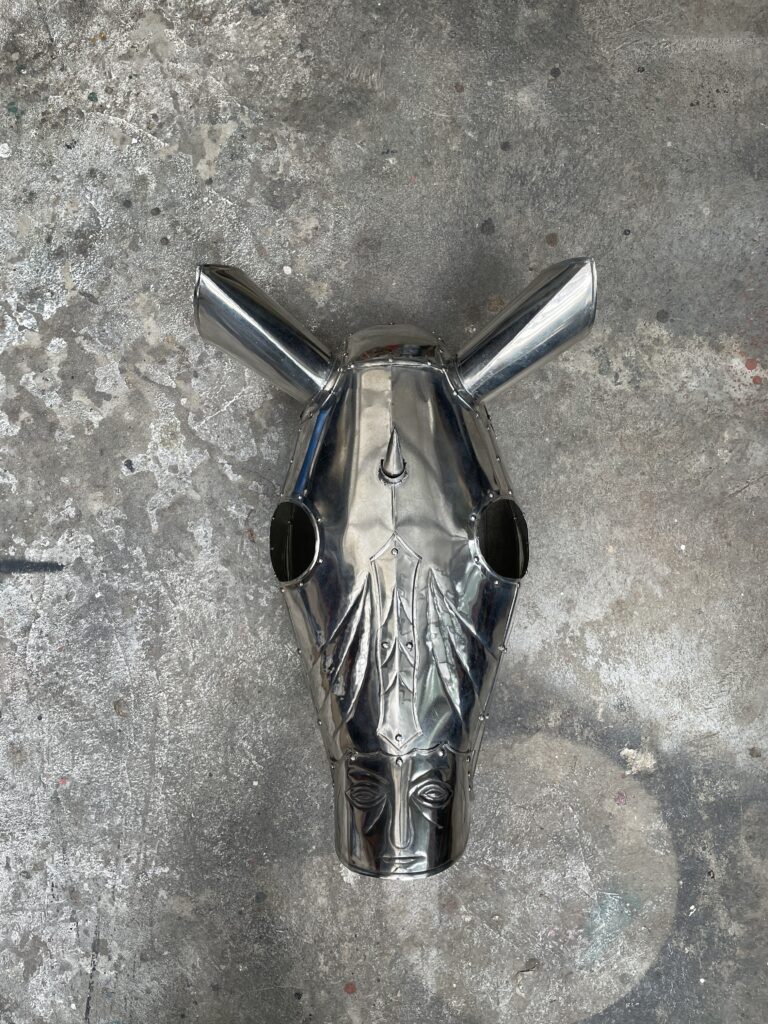
Ferrer Les Centaures, 2023 by MIA GOSSET
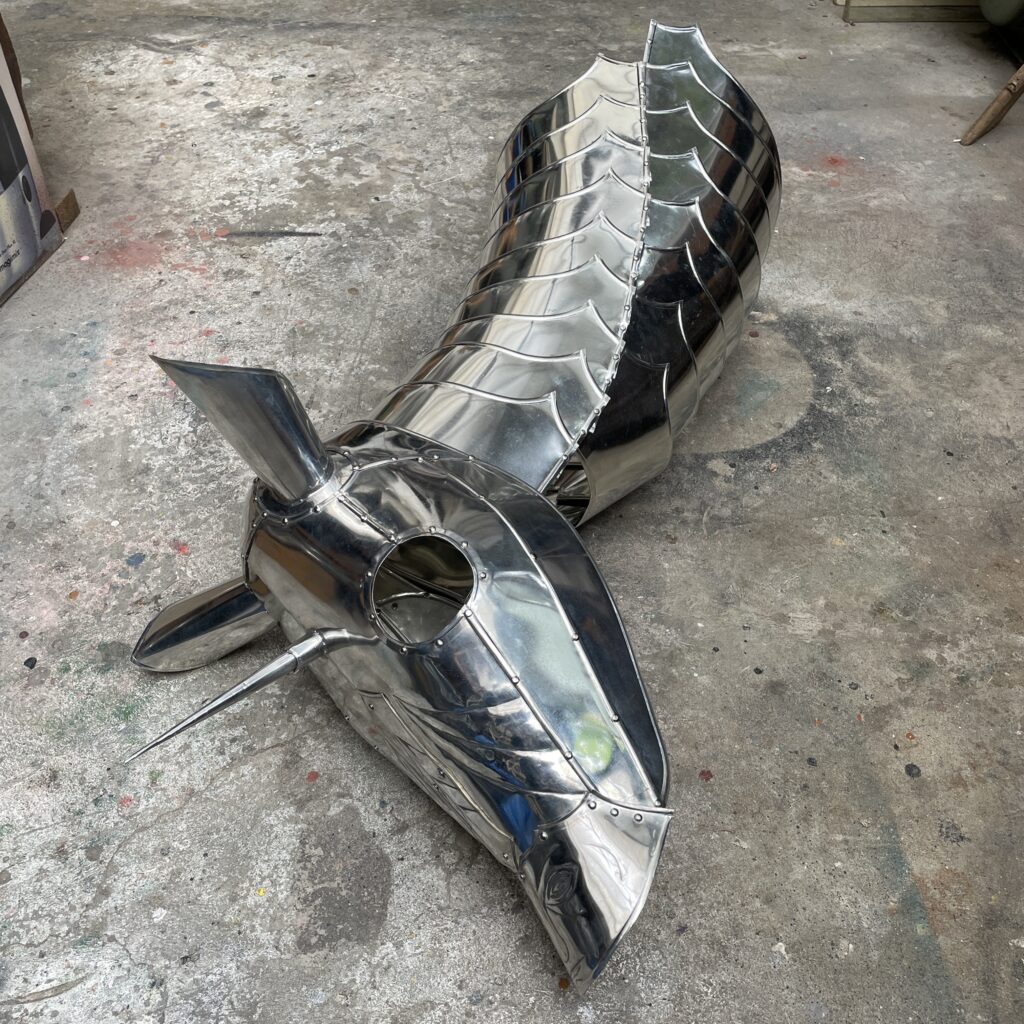
Ferrer Les Centaures, 2023 by MIA GOSSET
How has your relationship with your craft evolved over time? Do you see yourself more as a maker, an artist, a designer, or none of those labels?
I’m probably a mix of all three: artist, designer, and maker. I don’t really use labels. Like many who work independently, I manage the whole process from start to finish. Because of the variety of objects I create, I naturally fall into a hybrid role. I love making with my hands, and right now, with everything I’m learning, the “maker” part of me is very present.
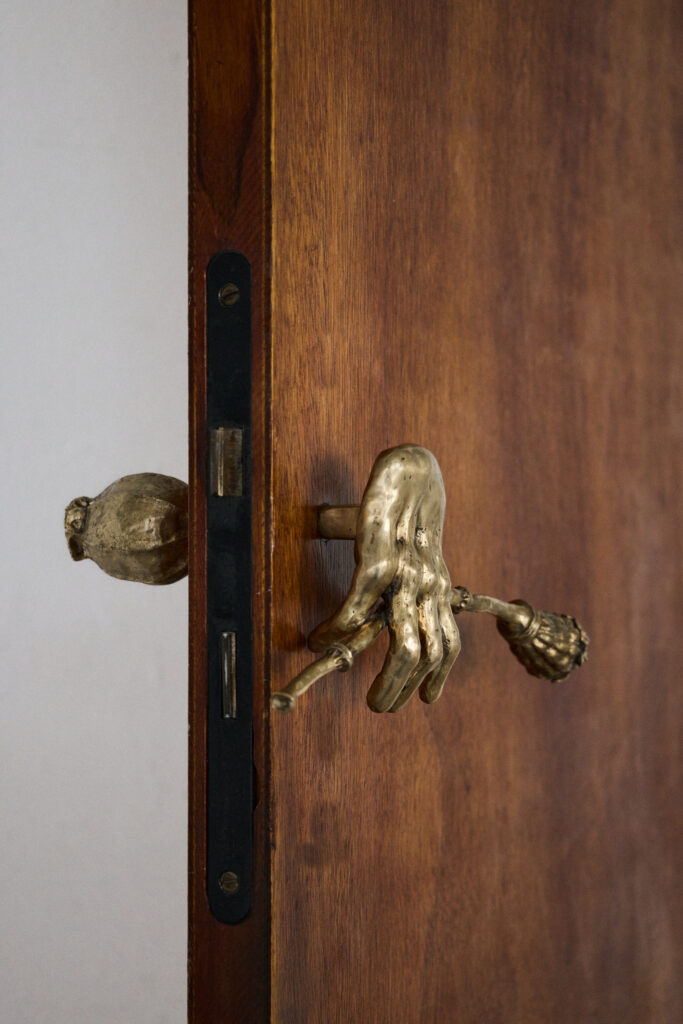
Bronze door handle by MIA GOSSET
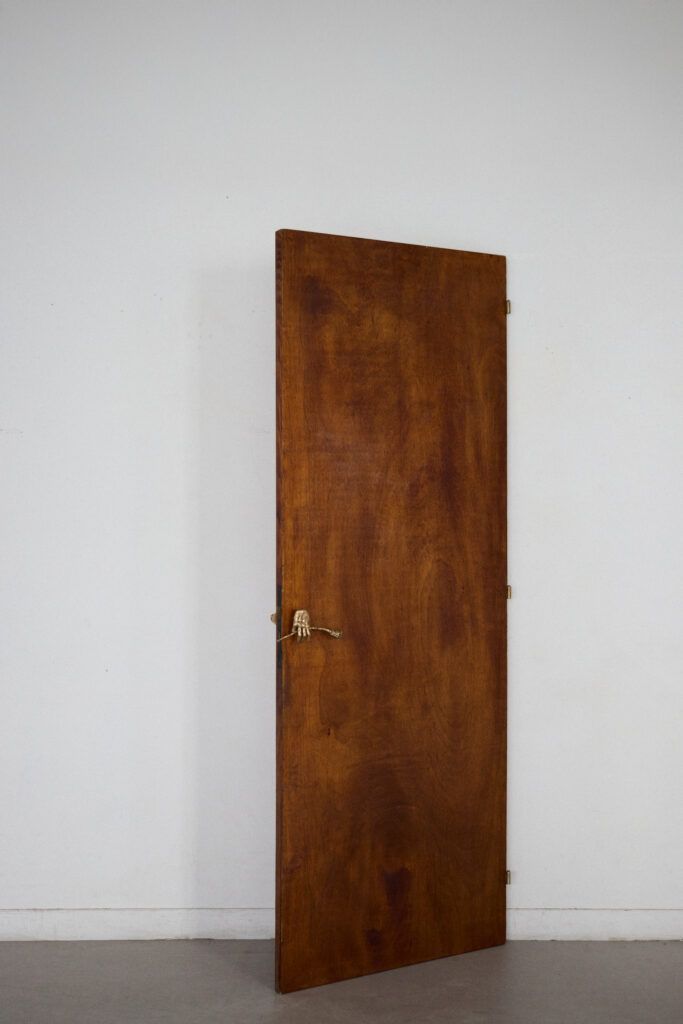
Bronze door handle by MIA GOSSET
If your work existed in its own self-contained universe, a space where only your objects and jewellery existed, what would that world feel like? Who would live there?
If there were a world filled only with my creations, everyone would wear jewellery that tells their personal story. Objects that archive history, moments, and emotions. Jewellery would become bronze tales and silver fables. Families would pass pieces down like books, building collections over generations. Everyday objects would be crafted with care and meaning. Jewellery, furniture, objects, all would carry personal mythologies. We would say “I love you” with candelabras.
Are there any creative risks or directions you haven’t taken yet but are eager to try?
I’m open to trying everything. The next big step for me is to continue learning how to set stones properly, with the attention and technique it requires. The rest will follow.
How do you hope your work will evolve over the next few years, in terms of concept, scale, or impact?
My biggest dream is to create furniture. I hope the next few years will allow me to make large-scale pieces using new materials and skills. I want to create entire environments, spaces where objects, jewellery, and furniture speak to each other.
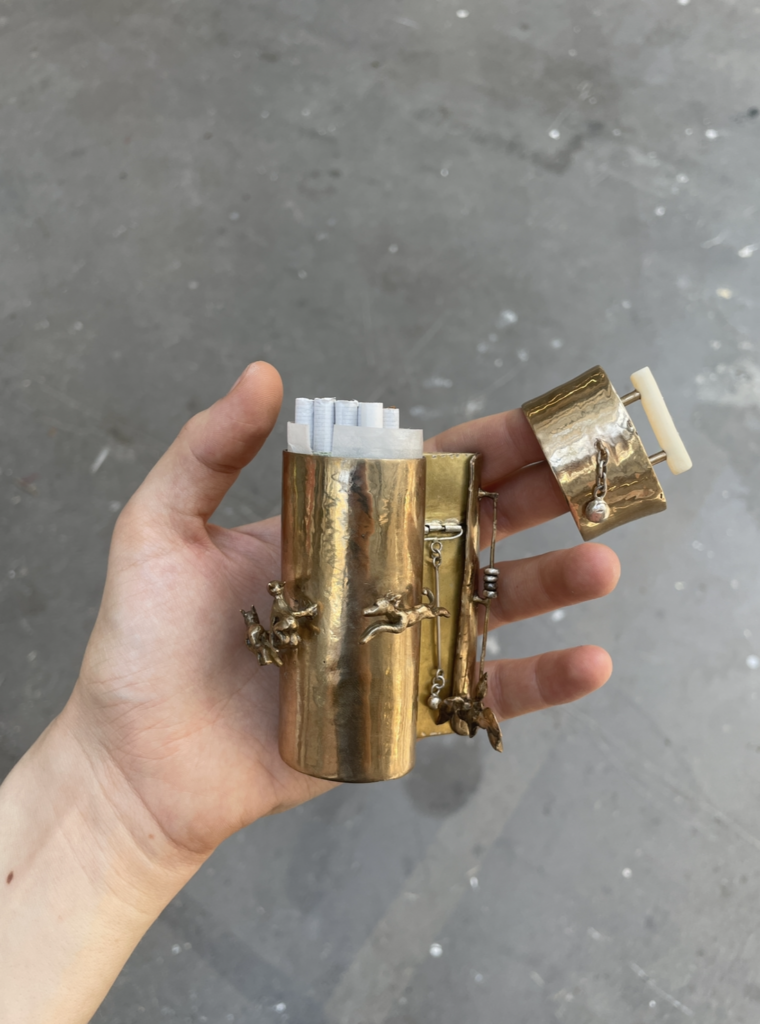
Cigarette box with its matchbox and scraper portraying dogs chasing flying birds by MIA GOSSET
What role do other people and sharing ideas play in your creative process now and in the future?Until recently, I worked mostly alone. But now I’ve started collaborating with Malo Espercieux, and I love it. We challenge and complement each other, it allows us to go further. I want to work with others. I know I can’t master everything, and that others have so much to offer. I am also waiting to have the time to create something with my best friend, Matisse Di Maggio.
Do you think about legacy? What kind of mark do you hope to leave through your jewellery and objects, in the craft world, the art world, or beyond?
It’s a good question. It’s probably too early to talk about legacy. Of course I hope some pieces will become major one day. But for now, I know I’m already leaving pieces of myself in every work I make. That’s already something. And maybe, as these pieces pass through time and hands, they’ll become a quiet way to communicate between generations.
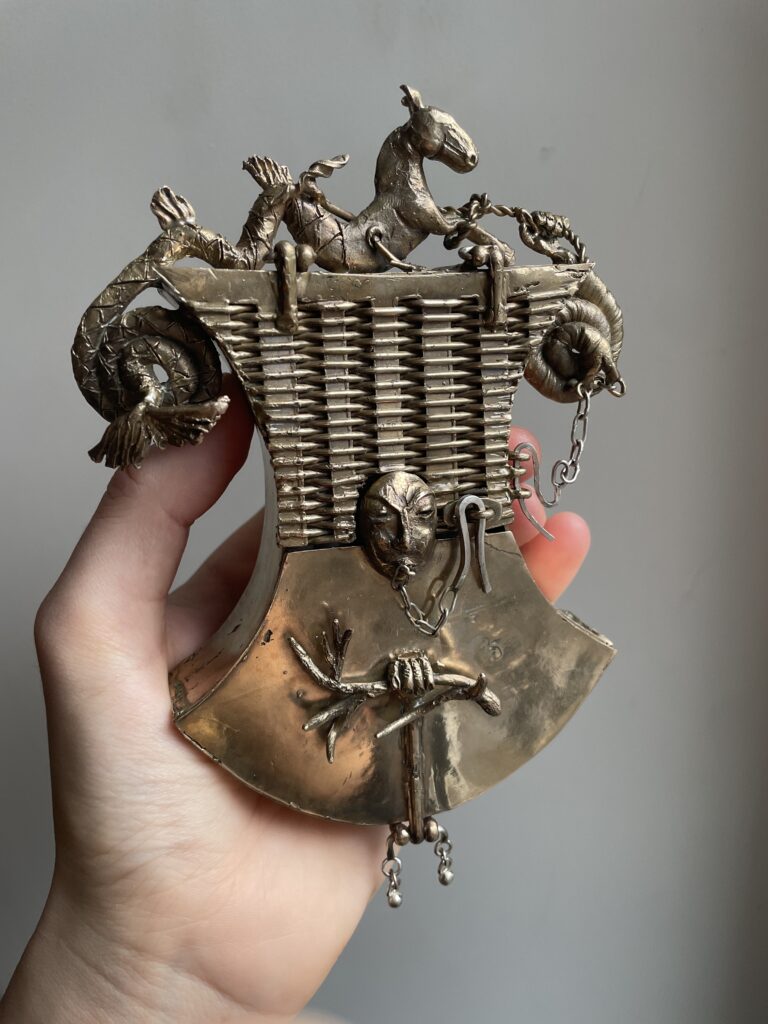
Brass cigarette box by MIA GOSSET
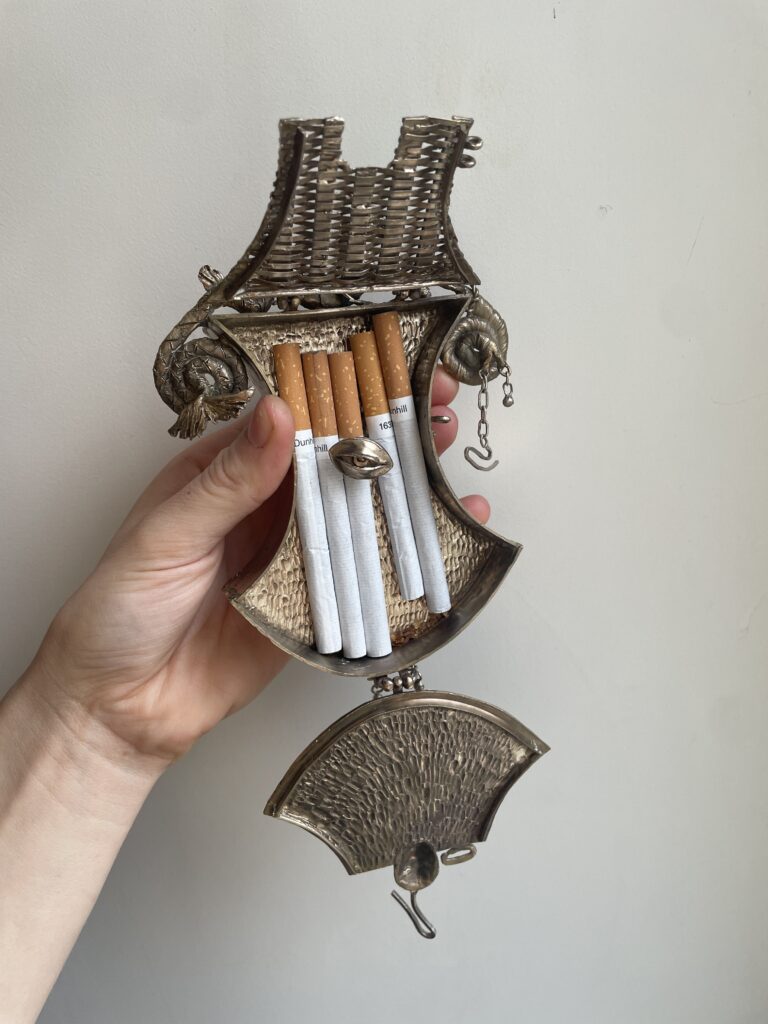
Brass cigarette box by MIA GOSSET
Lastly, what mindset or practice do you think will help you keep evolving as an artist?
To keep learning. To keep feeding my mind. To read, absorb, and transform the sensitive into something solid. To remain humble, to step back when needed. And to work, work, and keep working.
Credits
Written by Erica Zheng Jia Xin @br4in_f4rt