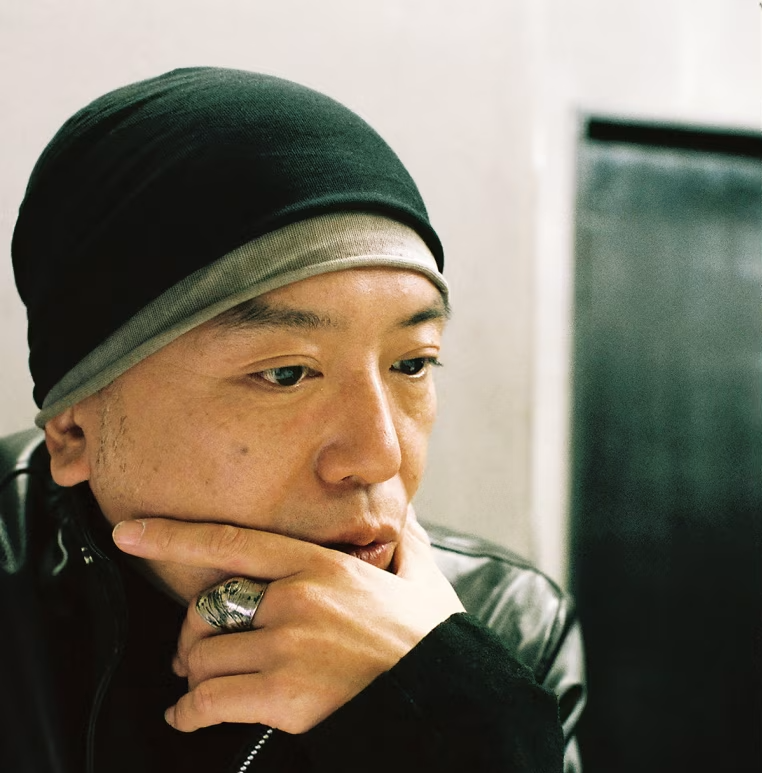
Julius_7
Beneath the strobes of Tokyo’s underground and the silence of Parisian catwalks, Tatsuro Horikawa weaves a spiritual techno of silhouettes. With his label Julius_7, the Japanese designer forges a sacred alliance of goth, industrial minimalism, and martial elegance : where darkness is not absence, but revelation. This is not fashion. This is ritual.

Halfway between gothic shadow and strobe-lit rave light, a Japanese creator officiates like a priest on an industrial dancefloor. Tatsuro Horikawa, founder of the brand Julius_7, celebrates a mass where the faithful wear black and dance to imaginary techno beats. Born on the island of Kyushu, Horikawa moved to Tokyo in the 1990s, drawn by nightlife and urban subcultures. A young video artist, he created visuals for DJs in Shibuya’s underground clubs. Immersed in the mechanical sound of techno and the dark aesthetic of Tokyo nights, he conceived his first artistic works.
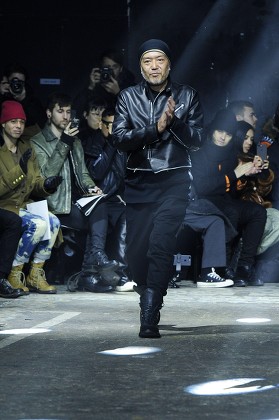
Tatsuro Horikawa – Julius_7 Runway Finale SS18
Soon, his creativity pushed him to materialize these visions into clothing: in 1996, he founded a first brand called NUKE, where he already offered avant-garde silhouettes, low-crotched pants, long blazers, drawing as much from punk as from futuristic samurai imagery.
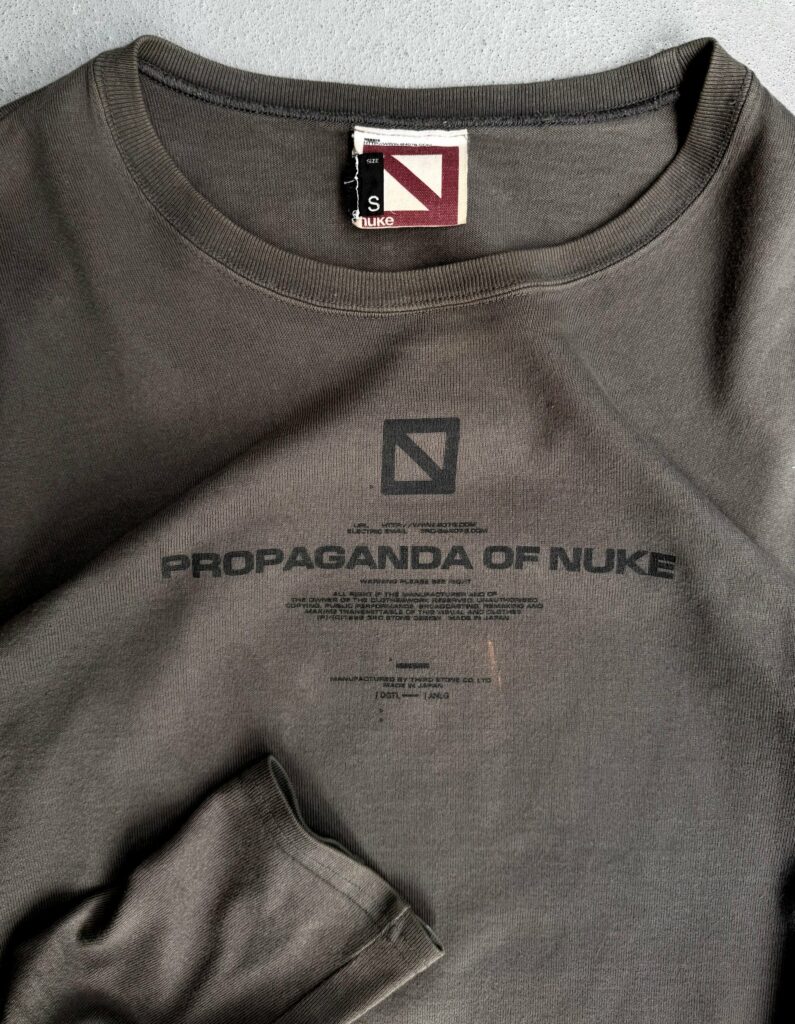
Nuke by Tatsuro Horikawa photographed by @driewgarments
After a few years, Horikawa closed NUKE to focus on a larger, holistic project. In 2001, he launched Julius, conceived initially as a multimedia art collective rather than a mere fashion label. Julius, perhaps a reference to an imperial name, aimed to express a total aesthetic. Only in 2004 did Julius fully concentrate on fashion, when Horikawa decided to channel his vision into clothing. He revived the style forged with NUKE: black, black and more black. Not the minimalist black of a Yamamoto, but a black charged with chaos and electricity. Julius’ cuts are radical: leather jackets with collars flared like armor, hooded sweatshirts draped to the knees, massive lace-up boots. One thinks of a transcendental grunge or futuristic samurai.
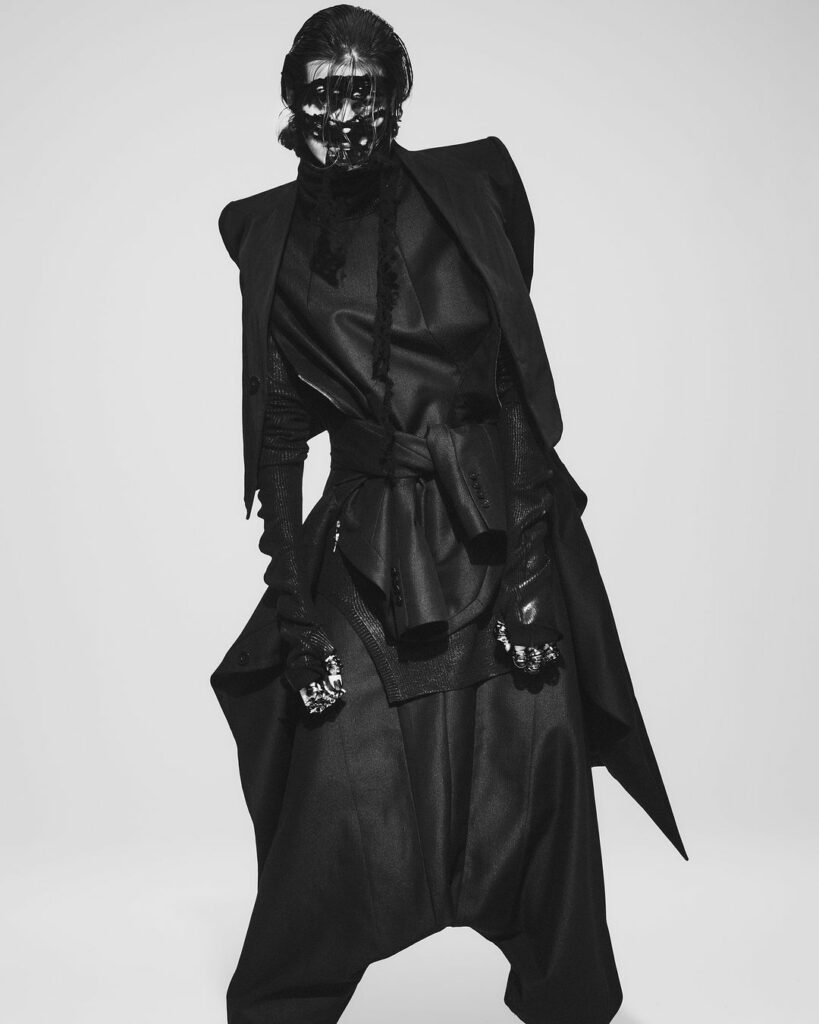
Julius_7 – FW24
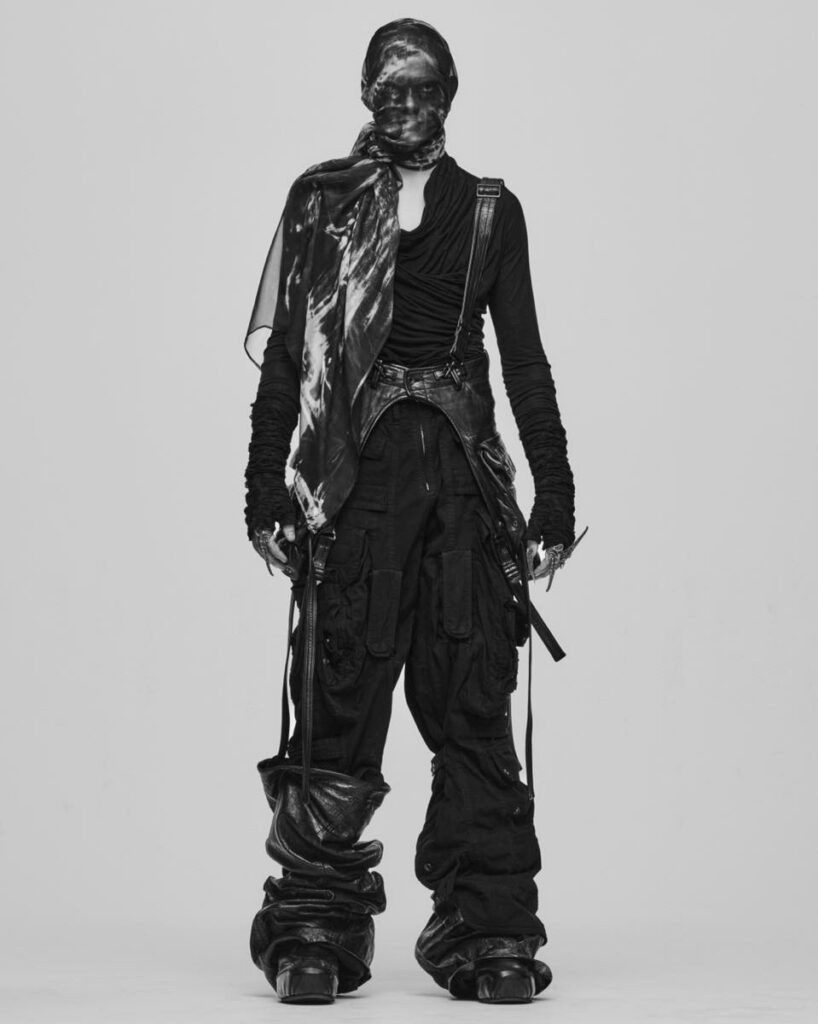
Julius_7 – SS25
Horikawa describes his design process as akin to composing techno music. “Designing clothes is like composing techno music,” he said. Indeed, he constructs his collections like musical sets: a motif repeats like a sample (for example, a stylized cross or esoteric symbol might appear on pieces), a rhythm forms in the alternation of very oversized and very tight silhouettes, climaxes build when a spectacular coat appears, covered in zippers or trailing straps. His Tokyo and later Paris shows often take place in industrial spaces, dark, with droning soundscapes. The models in Julius shows walk like warrior-monks of a post-industrial era, faces often partially masked, clad in leather, washed black cotton, complex layering. One imagines urban spectres, or heroes of a dystopian manga.
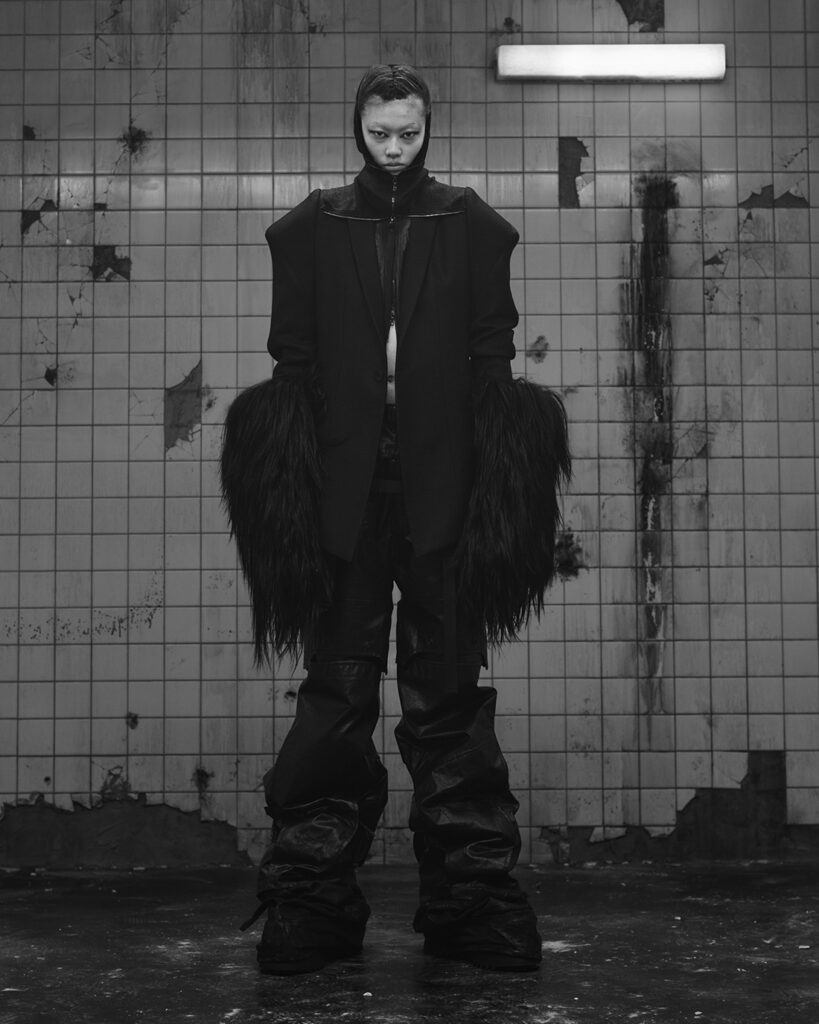
Julius_7 – FW25
Julius_7’s avant-garde is syncretic: Horikawa merges Eastern spirituality (one detects Zen influence in the repetitive use of black, the number 7 possibly referencing seven heavens or chakras) with Western frenzy (techno culture, militaria). The number 7 appended to Julius suggests a chapter or version, as if the brand is an ever-evolving software. Julius_7 preaches a liberation through darkness. Where so many flee black for fear of the unknown, Horikawa sees it as a path to inner truth. He has often mentioned his attraction to the concepts of void and nothingness dear to Japanese mysticism.
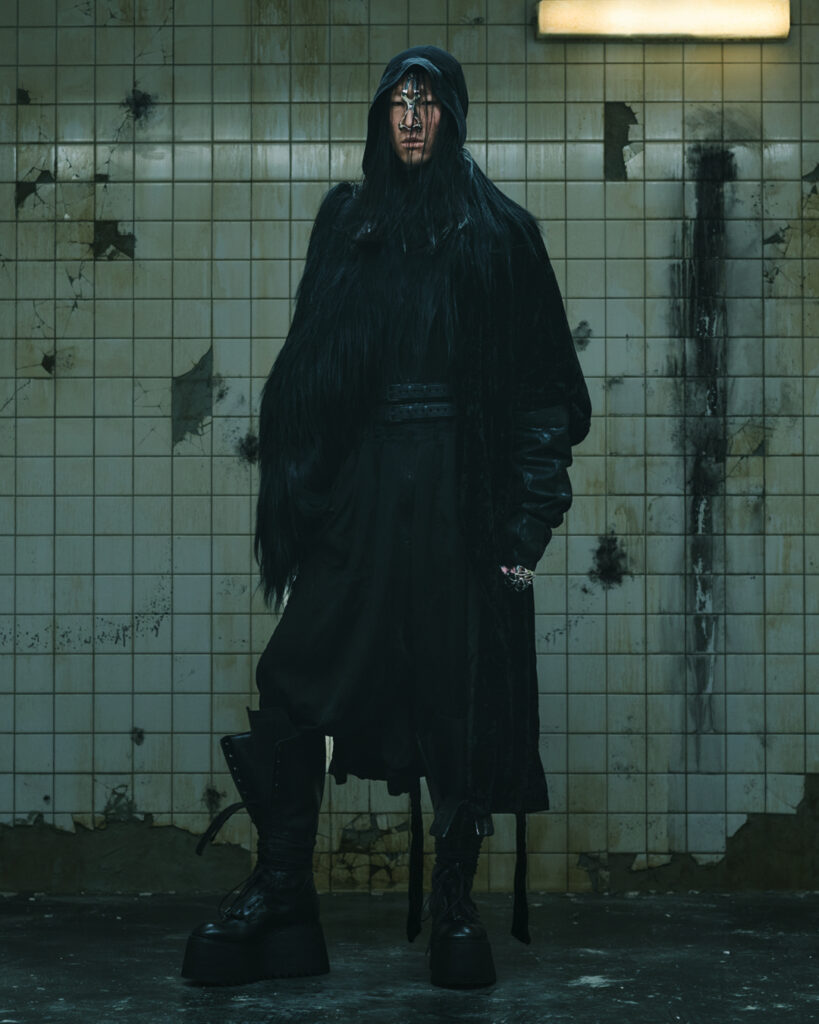
Julius_7 – FW25
In 2008, Julius_7 reached a milestone: Horikawa was invited to Paris Fashion Week, the ultimate consecration for a Japanese avant-gardist. His style, what some call “goth ninja”, fitted perfectly into a moment when the world embraced brands like Rick Owens or Damir Doma. Yet Julius stands out by an even fiercer radicality and an unmistakable Japanese DNA (his sense of drape sometimes recalls kimonos; the boots and harnesses evoke samurai armor in a futuristic world).
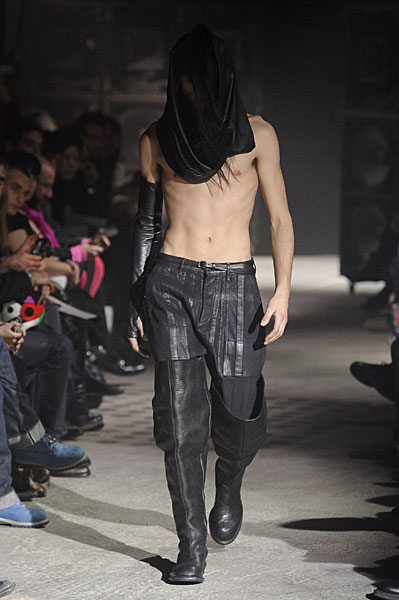
Julius_7 – FW10
Among Julius’ cult pieces: his bondage pants inspired by military gear, multi-pocket tactical vests, or voluminous coats like mage’s cloaks. All in black, charcoal grey, occasionally a hint of white or dried-blood red, colours of night and dried blood. There’s also a cyberpunk dimension to Julius: one imagines his clothes worn in the alleys of Blade Runner or the clubs of The Matrix. Horikawa collaborates with visual artists and musicians to reinforce this imagery (his universe ties in audio projects and art installations).
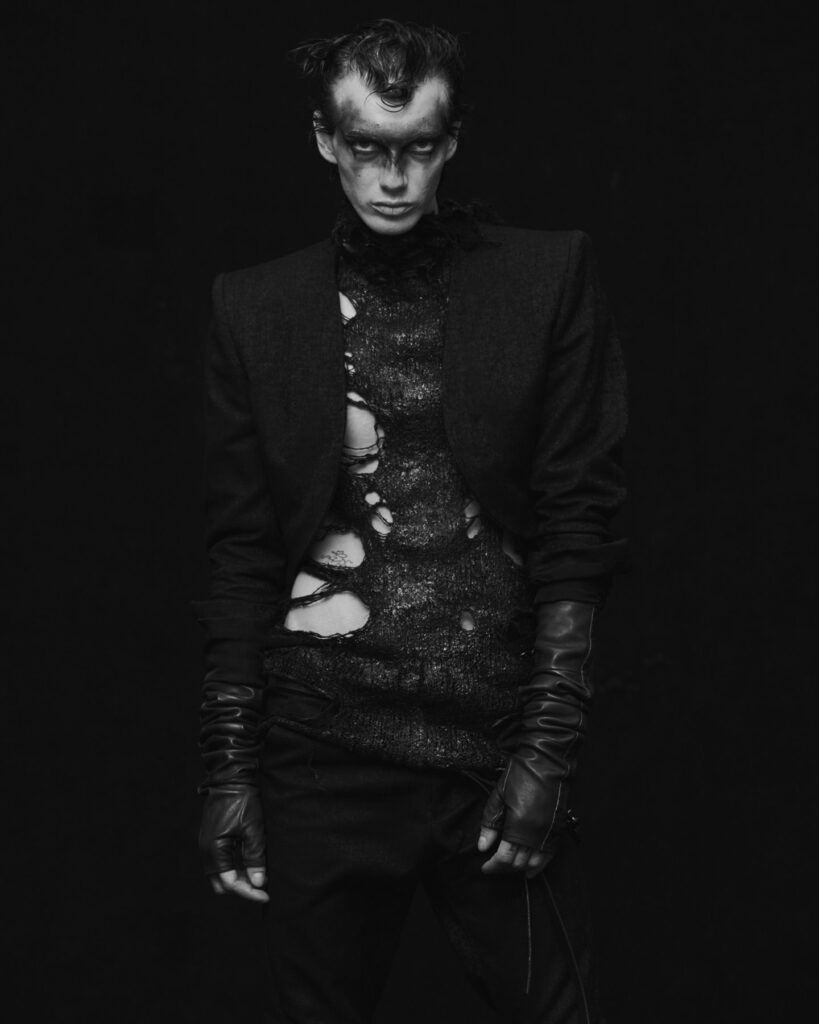
Julius_7 – SS25
What spiritual impact has Julius_7 on contemporary fashion? He legitimized the fusion of fashion and electronic music culture. Before him, one vaguely spoke of “clubwear” for rave attire. Horikawa elevated it to a sophisticated aesthetic, where techno becomes philosophy and clothing an extension of the dancing body. He transformed perception of individuality by proposing a style in which one can disappear (everyone in black, faces covered) while belonging to a tribal community of initiates. It’s an interesting paradox: Julius advocates individuality via belonging to a collective shadow. His followers, numerous in Asia and also in Western avant-garde circles, wear Julius as a secret badge of membership.
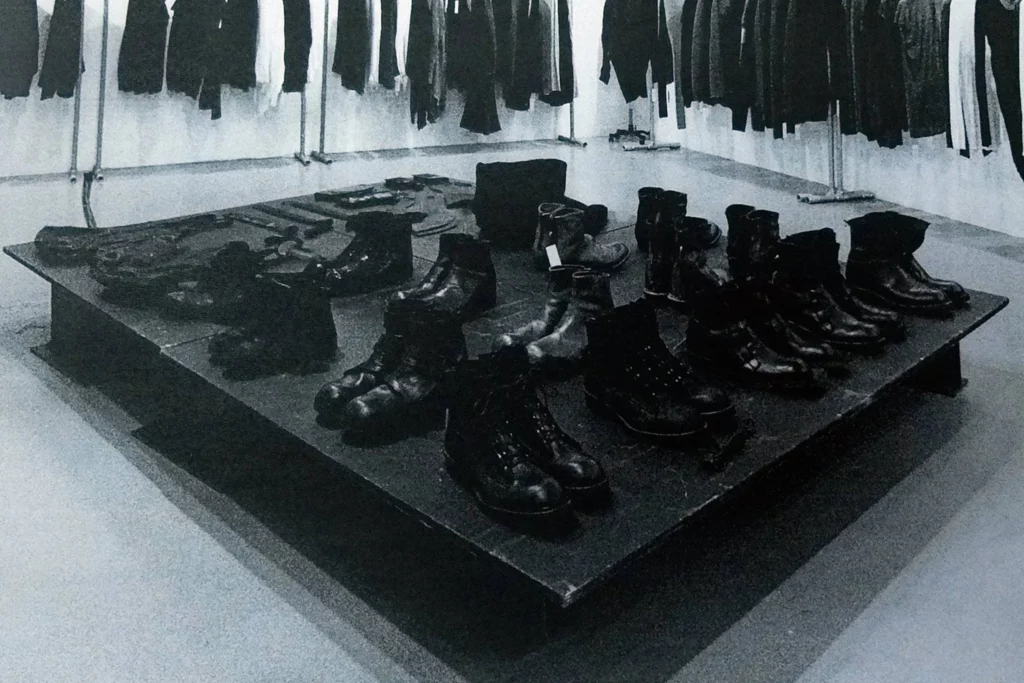
Julius_7 by Tatsuro Horikawa – When Goth meets Techno – Sabukaru
Reflecting on the path of Julius_7, one feels the vibration of a music without sound – the idea that spirituality can arise from nocturnal experience and personal style. Horikawa teaches that diving into one’s darkness can lead to a kind of illumination. His technoid “sermon” urges embracing the underground, making of one’s passions (music, goth, fashion) a coherent whole that gives life meaning. He also shows the importance of perseverance: starting from nothing, self-taught visually, he built a complete universe now recognized globally.
In our lives, taking inspiration from Julius_7 could mean: dare to be singular, even if it’s dark and misunderstood by most. Create your own daily ritual, whether through music, art, or simply how you dress, to stay connected to your deep self. And recognize the unifying power of culture: just as Horikawa united techno and goth to form a stylistic religion, we can also gather a community around shared passions. Julius_7’s techno mass preaches that in a chaotic urban world, one can find something sacred, even if it’s among a crowd of black silhouettes dancing under strobe lights. May each of us find our inner music and the dance that goes with it, unafraid of daylight’s judgment, that is the dark and beautiful lesson from this priest of the night.
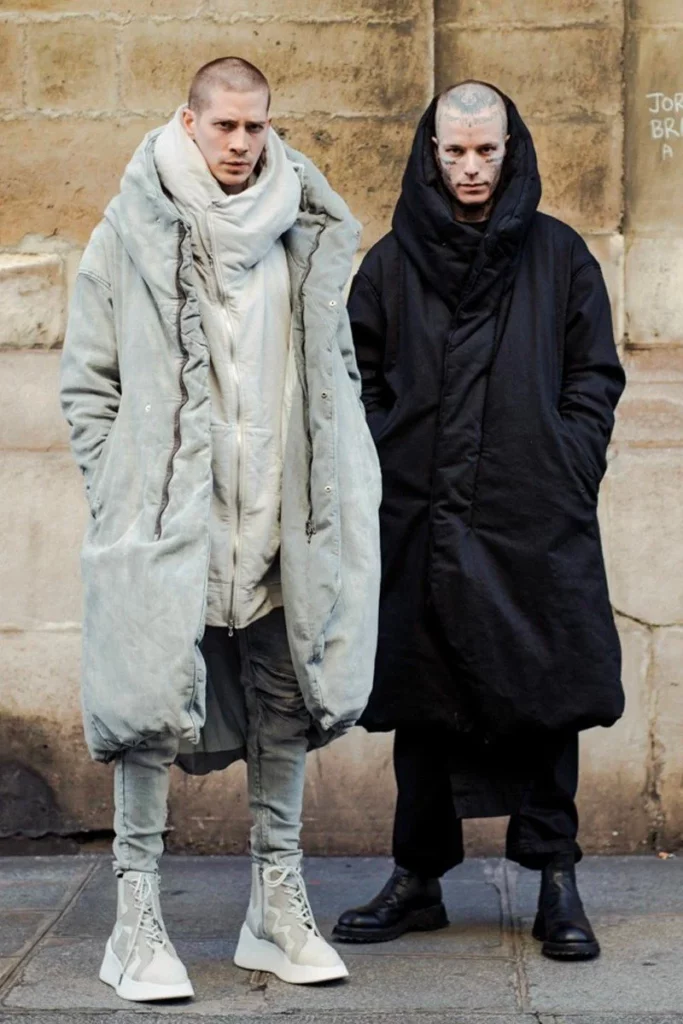
Julius_7 by Tatsuro Horikawa – When Goth meets Techno – Sabukaru